
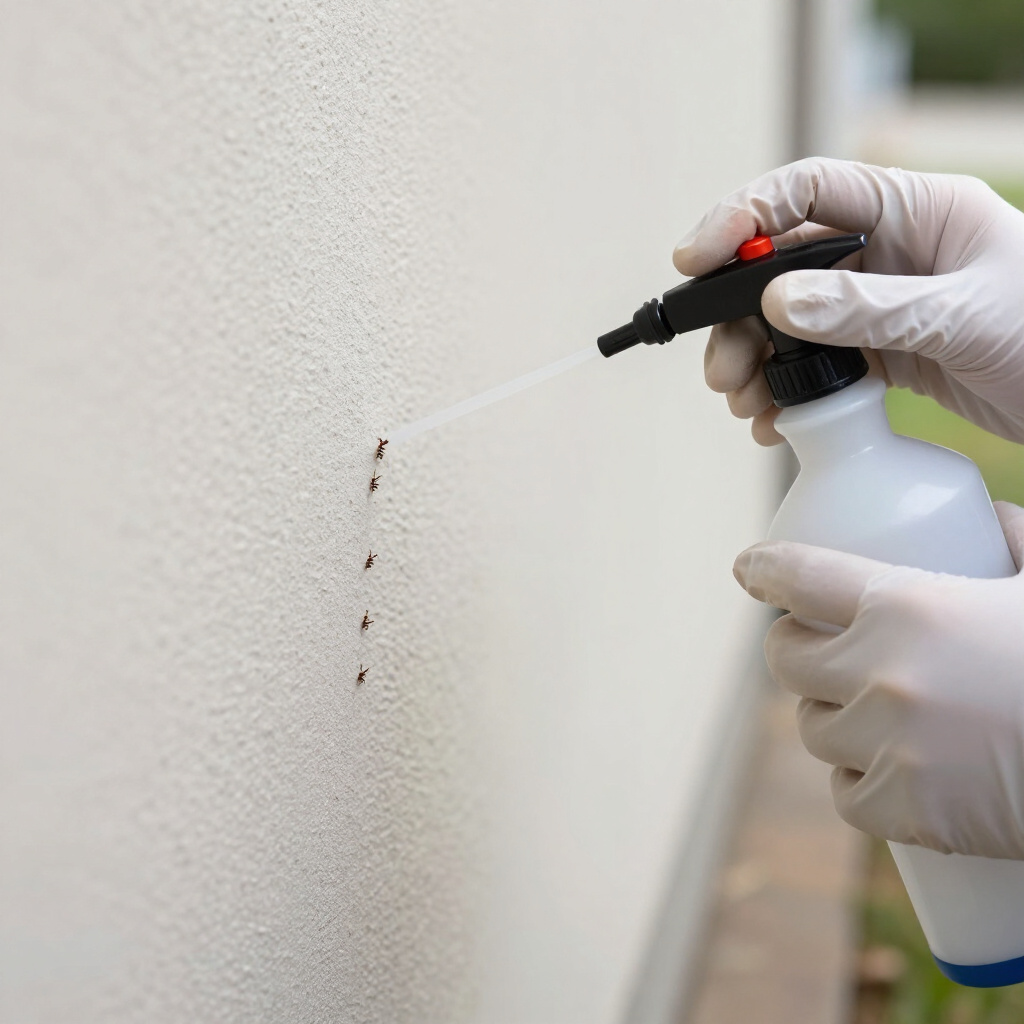
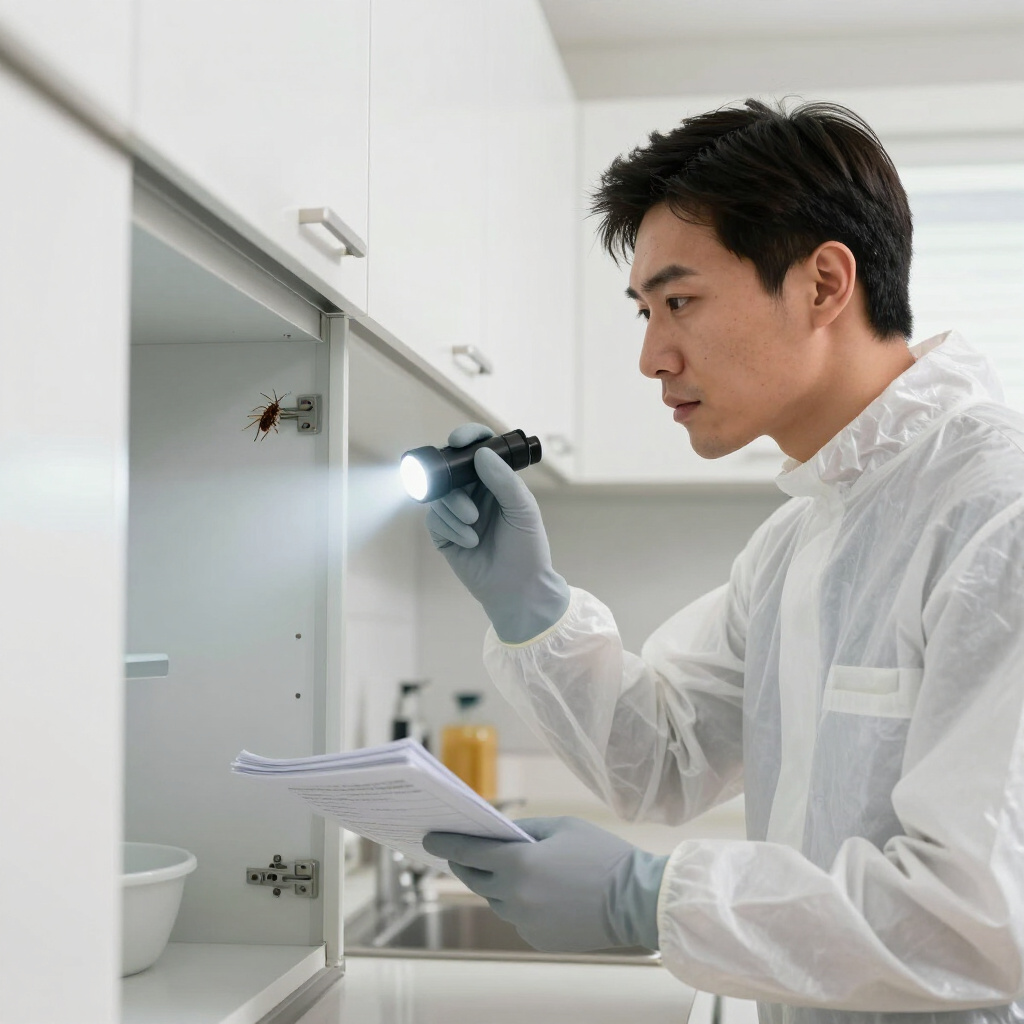
When ants march across your kitchen counter or you spot a mouse in the garage, the immediate question becomes: should you tackle the problem yourself or call in a professional? Both DIY pest control and hiring an expert have their place, and the right choice depends on your situation, the pest involved, and how comfortable you are handling chemicals or traps. Let's break down what you need to know to make the best decision for your home and family.
DIY Pest Control: When It Works and When It Doesn't
DIY pest control can be effective for minor, isolated problems. A few ants trailing to a forgotten crumb, a single wasp nest that's easily accessible, or the occasional spider in the basement—these scenarios often respond well to store-bought solutions. Sprays, baits, and traps available at hardware stores are designed for consumer use and can provide quick relief when applied correctly.
The advantages of going the DIY route are straightforward. You'll save money on service fees, address the problem immediately without waiting for an appointment, and maintain complete control over what products enter your home. For homeowners who prefer natural or organic solutions, DIY also allows you to carefully select ingredients you trust.
However, DIY pest control has significant limitations. Many over-the-counter products provide only temporary relief, killing visible pests while leaving colonies, nests, and breeding grounds untouched. Misapplication is common—using too much product, placing baits in ineffective locations, or spraying repellents that actually scatter pests deeper into your walls. Some pests, like termites and bed bugs, are notoriously difficult to eradicate without professional-grade tools and expertise. Worse, improper use of pesticides can pose health risks to children, pets, and beneficial wildlife.
Consider DIY when: the infestation is small and localized, you can identify the pest confidently, the problem is recent, and you're comfortable following product labels precisely. Skip the DIY approach when: you're dealing with wood-destroying insects, stinging insects in hard-to-reach areas, recurring infestations, or any pest that threatens your family's health.
Hiring a Professional: Expertise That Protects Your Home
Professional pest control services bring training, experience, and specialized equipment that most homeowners simply don't have. Licensed technicians understand pest biology and behavior, allowing them to identify not just the pests you see, but the hidden sources of infestation. They know which treatments work for specific species, how to apply them safely, and how to prevent future problems through integrated pest management techniques.
When you hire a professional, you're paying for more than a spray application. Reputable companies conduct thorough inspections, identify entry points and conducive conditions, customize treatment plans to your home's unique layout, and provide follow-up monitoring. Many offer guarantees, returning at no charge if pests persist—a safety net DIY methods simply can't match.
The investment in professional service often pays for itself by preventing costly damage. Termites alone can cause structural damage that runs into tens of thousands of dollars before homeowners even notice an issue. Early professional intervention catches problems at their source, before they escalate.
That said, professional service requires research. Not all pest control companies are equal. Look for proper licensing through your state regulatory agency, positive reviews from verified customers, transparent pricing with detailed service agreements, and technicians who take time to answer your questions. Be wary of high-pressure sales tactics, vague quotes, or promises that sound too good to be true.
Key Tips for Making the Right Choice
Start with honest assessment. Walk through your home and note what you're seeing: which pests, how many, where they're appearing, and for how long. One or two sightings over weeks suggests a minor issue. Daily encounters, droppings, damage to wood or fabrics, or pests in multiple rooms signal something more serious requiring professional attention.
If trying DIY first, read every product label completely before purchasing. The label is a legal document that tells you where the product can be used, which pests it targets, safety precautions, and application rates. Never use outdoor products indoors or exceed recommended amounts—more is not more effective and increases risk significantly.
Keep detailed records of any DIY efforts. Note dates, products used, locations treated, and results observed. If problems continue after two to three attempts, it's time to call a professional. Continuing ineffective treatments wastes money and allows infestations to grow more entrenched.
When hiring, get multiple quotes and ask specific questions: What treatment methods will you use? Are they safe for my children and pets? How long until I see results? What's your guarantee policy? A trustworthy professional welcomes these questions and provides clear, detailed answers.
For ongoing peace of mind, consider preventive professional service even without active infestations. Quarterly or seasonal treatments create protective barriers around your home, addressing pests before they become problems. This proactive approach often costs less than emergency interventions and protects your property value over time.
Final Thoughts
DIY pest control and professional services aren't mutually exclusive—they're tools for different jobs. Minor, straightforward issues often resolve with careful DIY application, while complex, dangerous, or persistent infestations demand professional expertise. The smartest homeowners know their limits and act decisively when problems exceed them.
Your home is your largest investment and your family's sanctuary. Whether you choose DIY pest control or hire a professional, prioritize safety, thoroughness, and prevention. Address problems early, don't ignore warning signs, and remember that effective pest management is an ongoing process, not a one-time event. When in doubt, consulting with a licensed professional costs nothing and provides valuable peace of mind that you're protecting what matters most.