
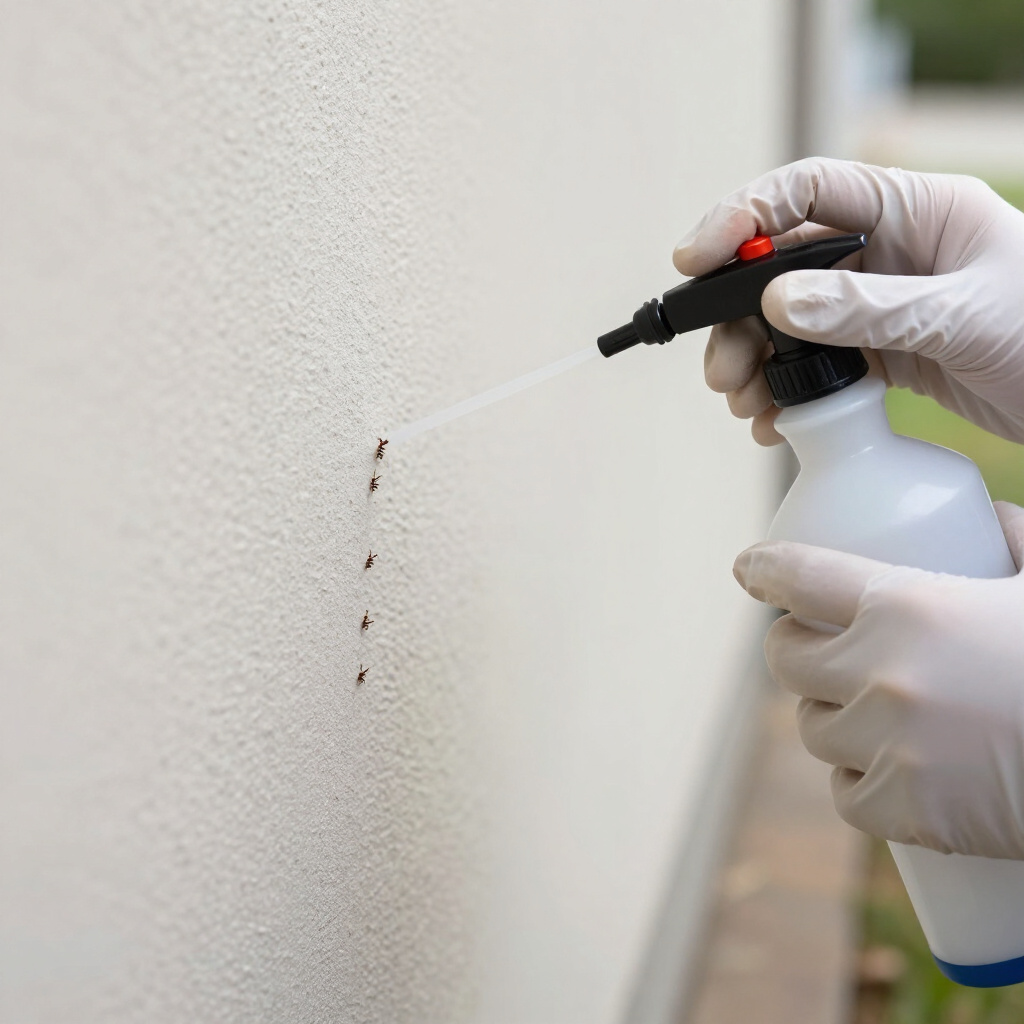

Most spiders that wander into your home are harmless house spiders simply looking for shelter, food, or mates. Yet even knowing this, many people feel uneasy sharing their space with eight-legged visitors. The good news? You don't need harsh chemicals or constant vigilance to maintain a spider-free home. With a few strategic changes to your environment and habits, you can dramatically reduce how often you encounter these arachnids indoors.
How to Keep Spiders Out of Your House by Sealing Entry Points
Spiders don't need much space to slip inside. A gap the width of a pencil is plenty for many common species. Your first and most effective line of defense is making your home physically difficult to penetrate.
Start with a thorough inspection of your home's exterior, paying special attention to where utilities enter, foundation cracks, and areas around windows and doors. Replace worn weatherstripping and install door sweeps on exterior doors—garage doors included. Caulk gaps around pipes, cables, and vents. Repair torn window screens promptly, and consider adding fine mesh screens over vents and chimney openings.
Don't overlook higher entry points. Spiders are excellent climbers and will use overhanging tree branches, shrubs, and climbing vines as bridges to upper windows, roof eaves, and attic vents. Trim vegetation back at least twelve inches from your walls and roofline to eliminate these convenient highways.
Inside, seal cracks along baseboards, around electrical outlets, and where pipes pass through walls. These interior gaps may not be where spiders enter from outside, but they create harborages and pathways that help spiders move undetected through your home.
Remove What Attracts Spiders Indoors
Spiders follow food. Their primary prey consists of insects and other small arthropods, so a home with abundant bug populations will inevitably attract spiders. Addressing the root cause—other pests—creates an environment where spiders simply won't find enough sustenance to stick around.
Reduce insect attractants by keeping kitchen counters clean, storing food in sealed containers, and taking garbage out regularly. Fix leaky faucets and pipes; many insects—and the spiders that hunt them—are drawn to moisture. Use dehumidifiers in damp basements, crawl spaces, and bathrooms to make these areas less hospitable to both prey and predators.
Outdoor lighting deserves special attention. Lights positioned near doors and windows draw night-flying insects, which in turn attract spiders. Switch to yellow-tinted "bug lights" or sodium vapor bulbs that are less attractive to insects, or simply move lighting fixtures farther from entry points. Motion-activated lights can also reduce the constant insect accumulation that stationary lighting creates.
Clutter inside your home provides hiding spots for spiders and the insects they eat. Cardboard boxes, piles of newspapers, and unused clothing in closets or basements create undisturbed microhabitats. Store items in plastic bins with tight-fitting lids, keep floors clear, and vacuum regularly in corners, behind furniture, and under appliances where debris accumulates.
Key Tips for Ongoing Spider Prevention
Consistency matters more than intensity when keeping spiders at bay. Integrate these practices into your regular home maintenance routine for lasting results.
Vacuum thoroughly and frequently, using attachments to reach corners, ceiling edges, and window frames where spiders build webs. When you spot a web, remove it completely—spiders often rebuild in the same location, but repeated disruption encourages them to relocate. Dispose of vacuum contents outside in sealed bags.
Consider natural deterrents as supplementary measures. Essential oils such as peppermint, tea tree, eucalyptus, and lavender have shown mild repellent properties against spiders. Mix several drops with water in a spray bottle and apply to entry points, window sills, and baseboards every few weeks. Note that these are not foolproof solutions but can provide marginal benefit as part of a broader strategy.
Store firewood at least twenty feet from your home and elevate it off the ground. Firewood piles are prime spider habitat, and bringing wood directly inside can introduce unwanted hitchhikers. Inspect and shake out any outdoor items—grill covers, patio cushions, children's toys—before storing them indoors.
For persistent problems or if you're dealing with venomous species such as black widows or brown recluses, professional pest control offers targeted, safe solutions. Technicians can identify species, locate hidden harborages, and apply appropriate treatments in areas where DIY methods fall short.
Final Thoughts
Learning how to keep spiders out of your house comes down to understanding what draws them in and systematically removing those attractions. Seal access points, eliminate food sources through diligent pest prevention, reduce clutter and moisture, and maintain consistent cleaning habits. These steps work together to make your home unwelcoming to spiders without resorting to indiscriminate chemical applications.
A spider-free home isn't about achieving perfection—an occasional visitor is normal and even beneficial outdoors. Rather, it's about creating an indoor environment where encounters become rare enough that you can relax comfortably in your own space. Start with the strategies outlined here, and adjust based on your home's specific vulnerabilities and your local spider populations.