

There's nothing quite like spotting a trail of ants marching across your kitchen counter to make your home feel less like your sanctuary and more like theirs. These tiny invaders seem to appear overnight, finding every crumb and sticky spot with uncanny precision. The good news? With the right approach, you can stop ants before they ever establish a foothold in your living space. Prevention isn't just easier than elimination—it's far more effective for keeping your home peaceful and pest-free year-round.
How to Prevent Ants From Invading Your Home Starts With Understanding Their Behavior
Ants are relentless foragers driven by a simple mission: find food and bring it back to the colony. They don't randomly wander into your home—they follow scent trails laid down by scout ants who've discovered something worth sharing. This means that preventing ants requires thinking like they do, identifying what draws them in and cutting off those attractions at the source.
The most common entry points aren't always obvious. Ants can squeeze through cracks as thin as a credit card, exploit gaps around utility lines, and even travel along tree branches that brush against your roofline. They prefer reliable food sources, which is why kitchens, pantries, and pet feeding areas become hotspots. Moisture matters too—leaky pipes, damp basements, and condensation create ideal conditions for certain species.
Understanding that ants are social insects also reveals why killing the visible workers rarely solves the problem. The colony continues sending reinforcements until the food source disappears or the entry route is blocked. Effective prevention targets both the attractions and the access points simultaneously.
Seal Your Home's Exterior to Block Ant Entry Points
Your home's exterior is the first line of defense, and thorough sealing makes a dramatic difference. Start with a careful inspection during daylight, looking for cracks in the foundation, gaps around windows and doors, and spaces where pipes or wires enter the structure. Pay special attention to areas where different building materials meet—these junction points often shift and separate over time, creating perfect ant highways.
Use high-quality silicone caulk for smaller cracks and gaps. For larger openings, consider expanding foam sealant backed with steel wool, which deters persistent pests. Weatherstripping around doors and windows should be replaced when it becomes worn or brittle. Don't overlook your screens—tiny tears are large enough for determined ants to pass through.
Your landscaping choices matter more than you might expect. Trim back any vegetation that touches your home's exterior, creating at least a six-inch gap between plants and walls. Mulch and ground cover should be kept several inches away from the foundation, as these materials retain moisture and provide harborage. Consider using gravel or stone directly adjacent to your home instead of organic mulches.
Check your gutters and downspouts regularly. Clogged drainage systems cause moisture accumulation near your foundation—exactly the conditions that attract certain ant species. Ensure water flows away from your home effectively, and address any grading issues that allow pooling.
Eliminate Food Sources and Moisture That Attract Ants
Inside your home, rigorous cleanliness transforms your space from ant magnet to no-go zone. Food storage is fundamental—transfer dry goods like sugar, flour, and cereal into airtight containers with tight-fitting lids. The packaging food arrives in rarely withstands determined ant investigation. Pet food deserves the same attention; don't leave bowls out overnight, and store kibble in sealed containers.
Your daily cleaning routines need ant awareness built in. Wipe counters after every meal preparation, paying attention to the invisible residue that attracts scouts. Sweep floors daily, and don't forget those easy-to-miss spots—under appliances, beneath cabinet toe-kicks, and along baseboards where crumbs accumulate. The sink area requires special vigilance; even water spots contain enough organic material to draw interest.
Garbage management extends beyond taking out the trash regularly. Rinse recyclable containers before tossing them, use bins with tight lids, and clean the cans themselves periodically to remove lingering odors and residue. Compost bins should be kept well away from your home's exterior if you maintain them.
Moisture control completes the interior prevention picture. Fix leaking faucets promptly, address condensation on pipes with insulation, and use dehumidifiers in chronically damp spaces like basements. Check under sinks monthly for slow leaks that might go unnoticed—the dark, humid environment beneath a kitchen sink is prime ant territory.
Key Tips for Maintaining an Ant-Free Home
Prevention works best as an ongoing practice rather than a one-time effort. Establish a seasonal inspection routine, walking your home's perimeter each spring and fall to spot new vulnerabilities before ants do. After heavy rains or temperature swings, do a quick check—weather stresses create new entry opportunities.
Natural deterrents can supplement your physical barriers. Vinegar solutions disrupt the scent trails ants follow, making them useful for cleaning surfaces where you've spotted activity. Essential oils like peppermint, tea tree, and citrus have repellent properties, though they require frequent reapplication to remain effective. Diatomaceous earth sprinkled in dry, protected areas creates a mechanical barrier that damages ants' exoskeletons.
When you do spot scout ants, resist the urge to simply squash them and move on. Their presence signals that your prevention measures need attention somewhere. Trace their path to identify what attracted them and how they entered. This detective work reveals weaknesses in your defenses that you can then address.
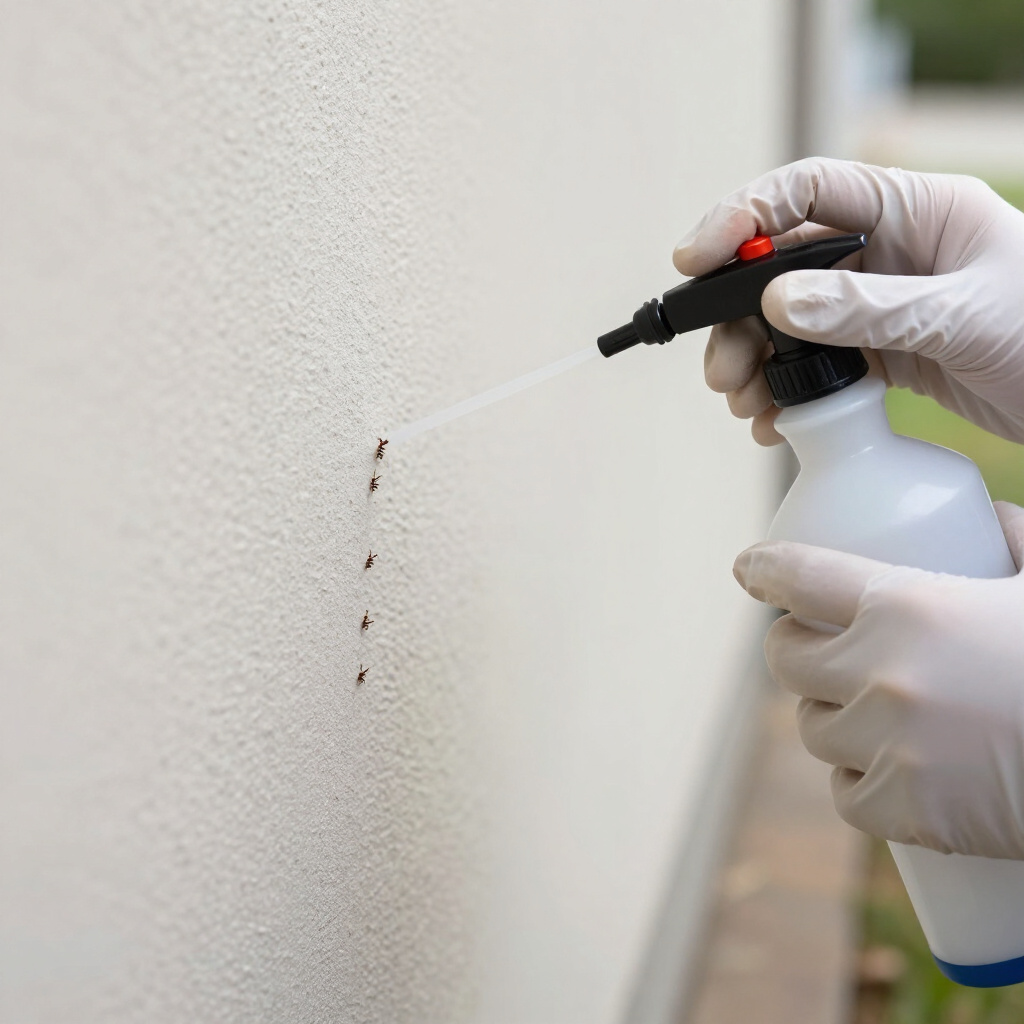
For persistent problems or multiple entry points, professional perimeter treatments provide an additional protective layer. These targeted applications create a treated zone around your home's foundation that intercepts foraging ants before they reach entry points. When applied by knowledgeable technicians using appropriate products, this approach integrates seamlessly with your other prevention efforts.
Finally, remember that ant prevention varies by season. Spring brings reproductive swarms and colony expansion, summer drives ants to seek water sources, and fall pushes them to secure food stores for winter. Adjust your vigilance accordingly, increasing inspection frequency during these high-activity periods.
Final Thoughts
Keeping ants out of your home isn't about achieving perfection—it's about being consistently one step ahead of these persistent foragers. The combination of thorough sealing, meticulous cleanliness, moisture management, and seasonal awareness creates an environment where ants simply can't succeed. How to prevent ants from invading your home ultimately comes down to removing their reasons to enter and their ability to do so. Start with the highest-impact measures: seal obvious entry points, store food properly, and eliminate moisture problems. Then build your routine from there, adding layers of protection as habits solidify. Your home should feel like your own, and with thoughtful prevention, it always will.