
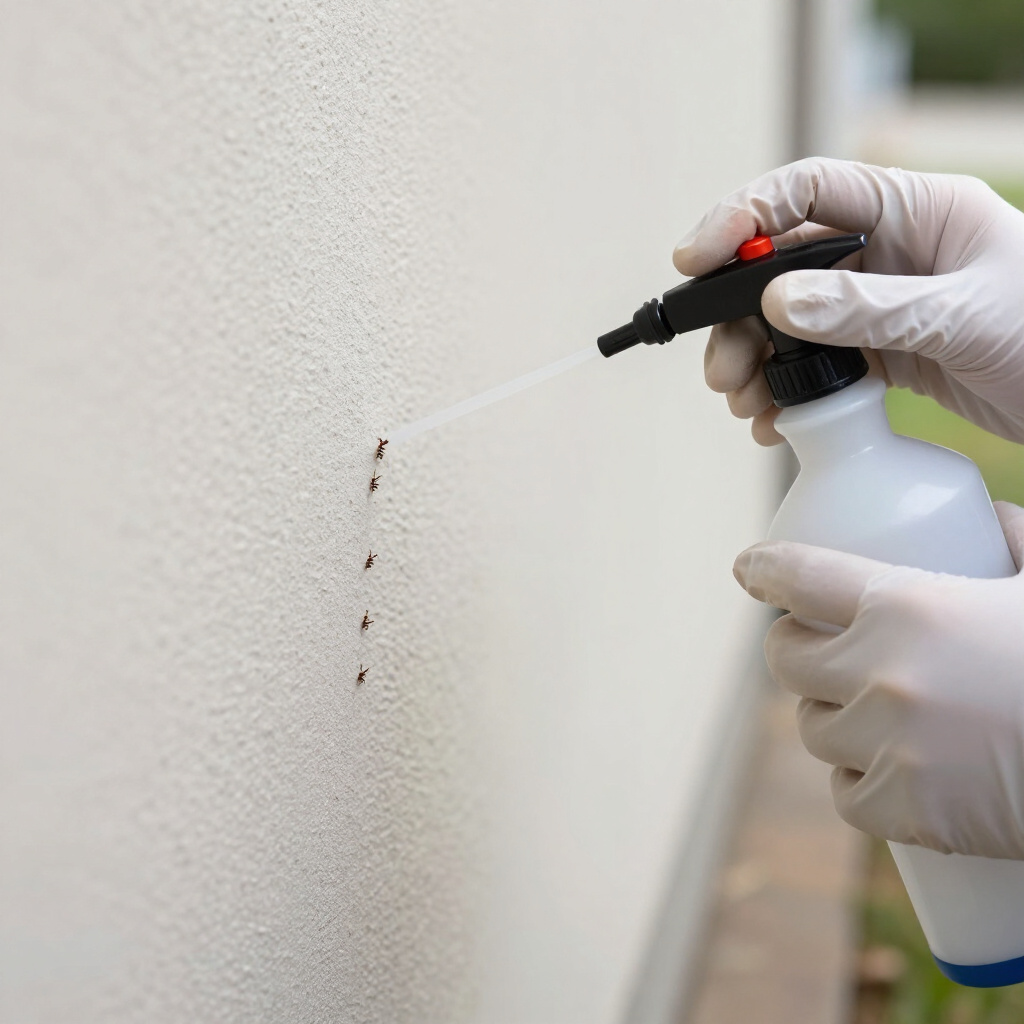

Finding an unexpected visitor scurrying across your kitchen floor or hearing scratching in the walls at night is enough to make any homeowner uneasy. Household pests are more than a nuisance—they can damage your property, contaminate food, and even pose health risks to your family. The good news? Most infestations are entirely preventable with the right knowledge and consistent habits. Below, we'll walk through the most common household pests and share practical, proven strategies to keep them outside where they belong.
Most Common Household Pests and How to Prevent Them
Every region has its own pest pressures, but certain invaders show up in homes nationwide. Understanding what attracts these pests and how they get inside is the foundation of effective prevention. Let's look at the culprits you're most likely to encounter.
Ants are perhaps the most persistent household pest. These tiny foragers enter through the smallest cracks, following scent trails to food sources. Sugar ants march toward spills and crumbs, while carpenter ants tunnel through damp wood, causing structural damage. Prevention starts with eliminating access to food. Wipe counters daily, store pantry items in sealed containers, and clean up sticky residues from honey, syrup, or juice. Seal entry points around windows, doors, and utility lines with caulk. Outdoors, trim vegetation away from your foundation and address moisture problems that attract carpenter ants.
Cockroaches thrive in warm, humid environments with plentiful food and water. These nocturnal pests hide in dark crevices during the day, making infestations hard to detect until they've grown substantial. German cockroaches, the most common indoor species, reproduce rapidly and can spread bacteria and trigger allergies. Prevention demands rigorous sanitation. Don't leave dirty dishes overnight, empty garbage daily, and fix leaky faucets promptly. Declutter storage areas to remove hiding spots, and use weatherstripping to seal gaps under doors. In apartments, coordinate with neighbors since roaches travel between units.
Mice and rats seek shelter, food, and nesting materials, especially as temperatures drop. A mouse can squeeze through an opening the size of a dime, while young rats need only a quarter-sized gap. Once inside, they gnaw on wires, insulation, and wood, creating fire hazards and costly damage. They also contaminate surfaces with droppings and urine. Inspect your home's exterior thoroughly for gaps around pipes, vents, and the foundation. Seal openings with steel wool and caulk or metal flashing—rodents can chew through foam and plastic. Store food in glass or heavy-duty plastic containers, and keep pet food secured. Maintain tidy yards, clearing debris and keeping firewood elevated and away from the house.
Spiders generally enter homes while hunting other insects. While most species are harmless and even beneficial, no one wants webs in corners or surprise encounters in the basement. Reducing spider populations means reducing their prey. The same exclusion and sanitation steps that deter other pests will naturally limit spiders. Vacuum regularly, including corners, ceilings, and behind furniture where webs accumulate. Keep outdoor lighting minimal or use yellow bulbs that attract fewer flying insects. Seal cracks around windows and doors, and consider installing tight-fitting screens.
Termites work silently, often causing extensive damage before homeowners notice any sign of their presence. Subterranean termites build mud tubes to reach above-ground wood, while drywood termites infest furniture and structural timbers directly. Prevention focuses on moisture control and wood-to-soil contact. Ensure proper drainage around your foundation, repair leaking gutters, and ventilate crawl spaces. Keep firewood, lumber, and mulch away from your home's exterior. Schedule annual professional inspections—these are your best defense against costly repairs.
Bed bugs have resurged dramatically in recent decades, hitchhiking into homes via luggage, furniture, and clothing. These blood-feeding pests hide in mattress seams, box springs, headboard crevices, and nearby furniture. They're notoriously difficult to eliminate once established. Prevention requires vigilance. Inspect hotel rooms when traveling, keeping luggage on racks away from beds. Wash and dry clothing on high heat immediately upon returning home. Be cautious with secondhand furniture, examining thoroughly before bringing items inside. Encase mattresses and box springs in protective covers that trap any existing bugs and prevent new infestations.
Foundation Prevention Strategies That Protect Your Entire Home
While each pest has specific attractants, certain universal principles fortify your home against multiple invaders simultaneously. Think of these as your defensive backbone.
Exclusion is your first and most effective line of defense. Conduct a thorough perimeter inspection twice yearly, ideally in spring and fall when pests are most active. Walk slowly around your home's exterior with a flashlight, paying special attention to where different materials meet—foundation to siding, window frames to walls, rooflines to soffits. Seal gaps with appropriate materials: silicone caulk for small cracks, expanding foam for larger voids (covered with metal or wood to prevent rodent chewing), and steel mesh for weep holes and vent openings.
Moisture management cannot be overstated. Most pests need water to survive, and damp conditions also weaken wood, making it more susceptible to termites and carpenter ants. Fix leaks immediately, even minor drips. Ensure bathrooms and kitchens are well-ventilated with exhaust fans. In basements and crawl spaces, use dehumidifiers to maintain humidity below 60 percent. Grade soil away from your foundation so water drains properly, and clean gutters regularly to prevent overflow.
Landscaping choices significantly impact pest pressure. Maintain a buffer zone of at least six inches between mulch and your foundation—consider gravel or rubber mulch alternatives directly against the house. Keep shrubs trimmed back from walls and rooflines to eliminate natural bridges. Remove fallen leaves promptly, and store compost bins well away from living areas. Stack firewood at least twenty feet from your home and elevate it off the ground.
Key Tips for Maintaining a Pest-Free Home
Prevention isn't a one-time project but an ongoing commitment. Integrate these habits into your regular routine for lasting protection.
Establish a weekly kitchen deep-clean that includes pulling out appliances to clean beneath and behind them, where crumbs accumulate unnoticed. Empty garbage cans frequently and use bins with tight-fitting lids—both indoors and out. Store recyclables rinsed clean, and don't let them pile up.
Develop a seasonal maintenance calendar. Spring is ideal for inspecting and repairing screens, checking weatherstripping, and addressing winter damage that may have created new entry points. Summer calls for diligent moisture management during peak humidity. Fall preparation should focus on sealing before pests seek winter shelter. Winter is perfect for interior decluttering and inspecting seldom-used spaces like attics and storage rooms.
Know when professional intervention is warranted. If you spot live pests regularly, find droppings or damage, or notice musty odors in enclosed spaces, DIY measures may be insufficient. Pest control professionals have access to targeted treatments, specialized equipment, and training to identify hidden infestations. Early professional involvement often costs less than waiting until damage escalates.
For your most common household pests and how to prevent them, remember that consistency outperforms intensity. Brief, regular attention prevents the accumulation of conditions that invite infestations.
Final Thoughts
Protecting your home from pests doesn't require harsh chemicals or constant anxiety. It requires understanding what draws these unwanted guests and systematically removing those attractions while sealing their pathways inside. The strategies outlined here—exclusion, sanitation, moisture control, and vigilant maintenance—work together to create an environment where pests simply cannot thrive.
Start with one thorough inspection this weekend. Walk your perimeter, check your basement, and honestly assess your kitchen habits. Small changes today prevent major headaches tomorrow. And when problems exceed your comfort level, professional pest control partners stand ready to help you reclaim your space. Your home should be a sanctuary—for your family, not for pests.