
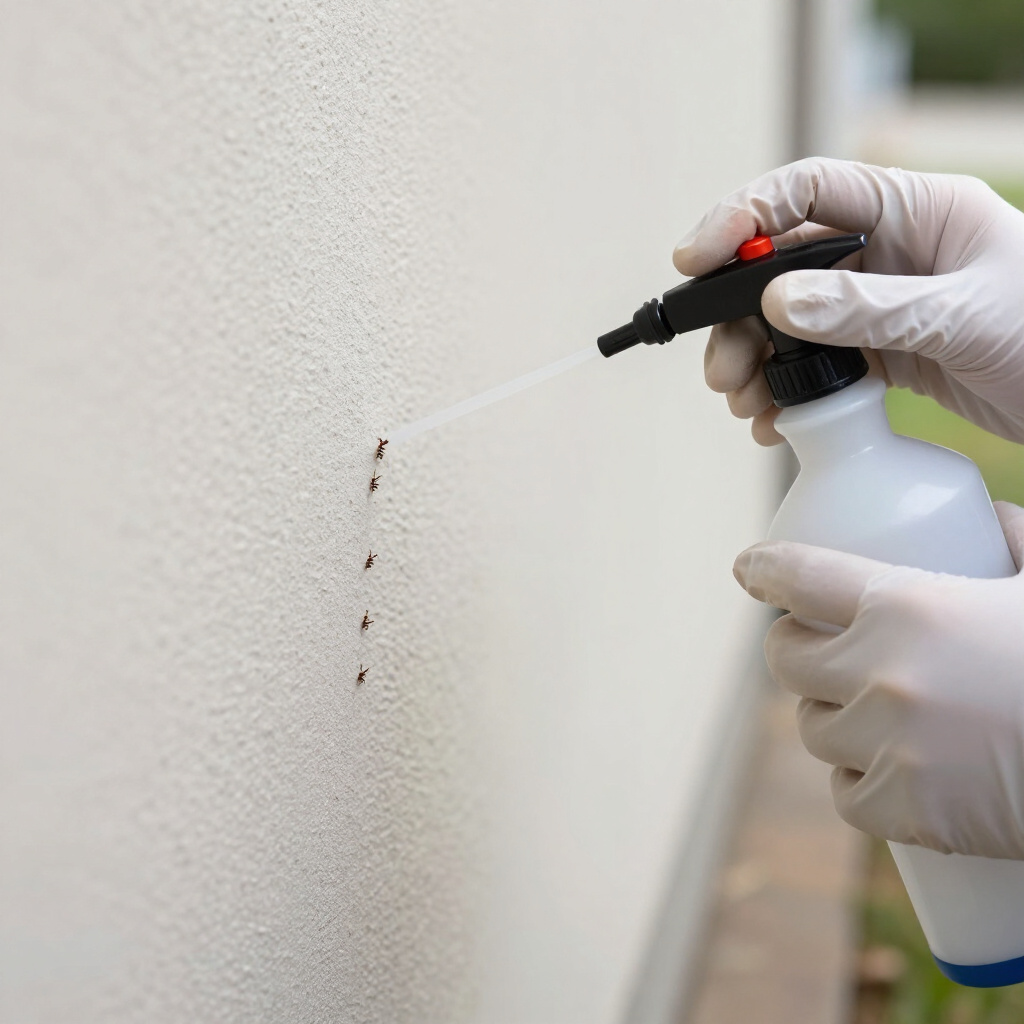
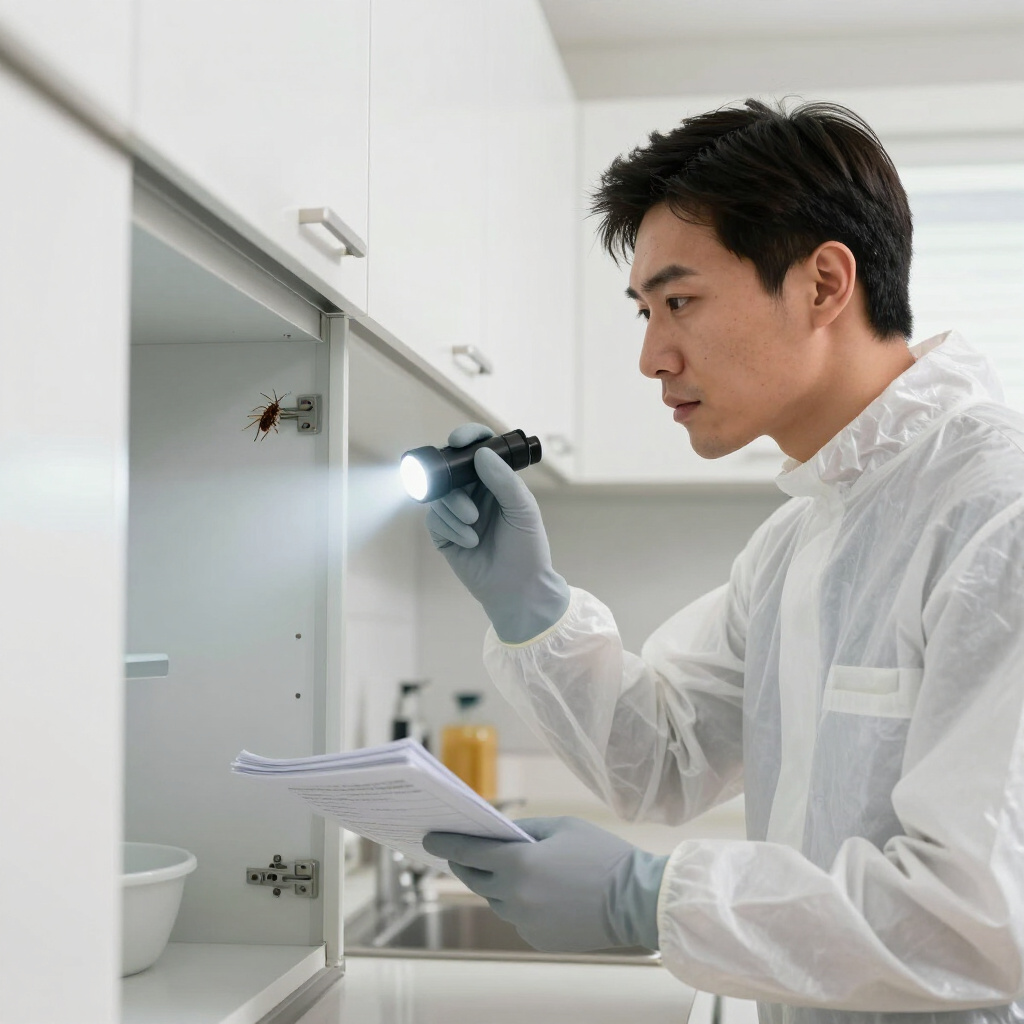
When ants march across your kitchen counter or aphids cluster on your tomato plants, reaching for a harsh chemical spray might feel like your only option. But more homeowners are discovering that natural pest control methods can be surprisingly effective—without the worry of exposing family, pets, or beneficial insects to synthetic toxins. The key is knowing which approaches actually deliver results and how to apply them strategically for maximum impact.
Natural Pest Control Methods That Actually Work in Your Home and Garden
Effective natural pest control starts with understanding that "natural" doesn't mean passive. These methods require observation, consistency, and sometimes a combination of tactics. The reward is a healthier environment where pests are managed sustainably rather than temporarily suppressed with chemicals that often create bigger problems down the line.
Diatomaceous earth stands out as one of the most reliable natural tools available. This fine powder made from fossilized algae works mechanically rather than chemically, scratching the waxy outer layer of insects like ants, cockroaches, and bed bugs, causing them to dehydrate. Food-grade diatomaceous earth is safe to use around pets and children when applied correctly. Sprinkle it in cracks, along baseboards, and in garden soil where crawling pests travel. Reapply after rain or heavy moisture, as water renders it ineffective until dry again.
Essential oils have earned their place in the natural pest control toolkit, though their reputation sometimes exceeds their proper use. Peppermint oil repels spiders and mice effectively when applied to entry points, while tea tree and eucalyptus oils deter various insects. The critical detail many miss: oils must be refreshed regularly, as their potency fades quickly. Mix with water and a small amount of castile soap for emulsion, then spray where needed. Never apply undiluted oils directly to surfaces, as they can damage finishes and cause skin irritation.
Biological and Physical Barriers for Lasting Protection
Sometimes the most powerful natural pest control methods that actually work involve recruiting nature's own checks and balances. Beneficial insects like ladybugs, lacewings, and parasitic wasps prey on destructive pests without any chemical intervention. Attracting these allies requires planting diverse flowering species—dill, fennel, yarrow, and cosmos are excellent choices— and avoiding broad-spectrum treatments that harm good bugs alongside bad ones. A single ladybug can consume thousands of aphids in its lifetime, making this approach remarkably efficient once established.
Physical barriers eliminate pest problems before they begin. Row covers protect vegetable crops from flying insects and caterpillars while allowing light and water through. Copper tape around raised beds creates a mild electrical reaction that repels slugs and snails. Fine mesh screens on windows and vents block entry points without any substance applied at all. These passive solutions require upfront effort but provide season-long protection with minimal maintenance.
For indoor problems, simple environmental adjustments often outperform treatments. Reduce humidity with dehumidifiers to make spaces inhospitable to silverfish, dust mites, and cockroaches. Store dry goods in airtight glass or metal containers to cut off food sources for pantry pests. Fix leaks promptly and eliminate standing water where mosquitoes breed. These foundational practices make any additional natural pest control methods that actually work far more successful.
Key Tips for Maximizing Natural Approaches
Natural pest control demands patience and realistic expectations. Unlike chemical pesticides that may kill on contact but leave no residual protection, natural methods often work gradually while building long-term resilience. Start treatments at the first sign of problems rather than waiting for full infestations to develop. Monitor regularly and adjust tactics based on what you observe.
Combine methods for complex problems. A single approach rarely addresses every aspect of an infestation. For example, managing an ant trail indoors might involve sealing entry points with caulk, cleaning surfaces with vinegar to remove scent trails, applying diatomaceous earth along baseboards, and addressing outdoor nests with boiling water or boric acid bait stations placed safely away from pets and children.
Know when to call professionals. Natural methods excel for prevention and early intervention, but established infestations of termites, bed bugs, or structural carpenter ants may require integrated approaches including targeted professional treatments. Reputable pest control companies can advise on low-toxicity options and help transition to maintenance-phase natural strategies once active problems resolve.
Final Thoughts
Natural pest control methods that actually work are accessible to every homeowner willing to learn basic pest biology and apply consistent effort. The shift from chemical dependency to ecological management represents more than a trend—it's a practical response to growing concerns about environmental health and pesticide resistance. By combining physical barriers, beneficial organisms, targeted natural substances, and smart environmental management, you can protect your home and garden effectively while preserving the broader ecosystem that supports healthy, balanced outdoor spaces. Start with one or two methods matched to your specific situation, observe results, and expand your natural toolkit as confidence and experience grow.