

Your home is your sanctuary, but pests don't respect boundaries—or seasons. From ants marching through your kitchen in spring to rodents seeking warmth in winter, every time of year brings its own unwanted visitors. Having a proactive seasonal pest control checklist for homeowners can save you from costly infestations, protect your family's health, and preserve your peace of mind. Let's walk through what you need to do each season to keep your home pest-free year-round.
Spring: Awakening Pests and Prevention Priorities
As temperatures rise, dormant pests emerge with renewed energy. Spring is when ants, termites, wasps, and spiders become most active, making it the ideal time to establish your defensive perimeter.
Start with a thorough exterior inspection. Walk around your home's foundation and look for cracks, gaps around utility lines, and damaged weatherstripping. Seal any openings larger than a quarter-inch—mice can squeeze through spaces the width of a pencil, and insects need even less room.
Pay special attention to moisture control. Spring rains create ideal breeding conditions for mosquitoes and attract moisture-loving pests like silverfish and earwigs. Clean your gutters, ensure downspouts direct water away from your foundation, and fix any leaky outdoor faucets. Remove standing water from birdbaths, flowerpot saucers, and other containers.
Inspect your attic and crawl spaces for signs of termite swarmers, which typically appear in spring. Look for discarded wings near windowsills and mud tubes along foundation walls. If you spot these warning signs, contact a professional immediately—termites cause extensive damage before most homeowners notice their presence.
Finally, trim shrubs and tree branches back from your home's exterior. Overhanging branches serve as highways for ants, rodents, and squirrels to access your roof and attic.
Summer: Managing Peak Pest Activity
Summer brings the highest pest pressure of any season. Warm temperatures accelerate reproduction cycles, and extended daylight hours mean more foraging time for insects and wildlife.
Mosquito management becomes paramount during these months. Beyond eliminating standing water, consider installing fans on covered patios—mosquitoes are weak flyers and struggle against even gentle breezes. Apply EPA-approved repellents when spending time outdoors, especially during dawn and dusk when mosquitoes are most active.
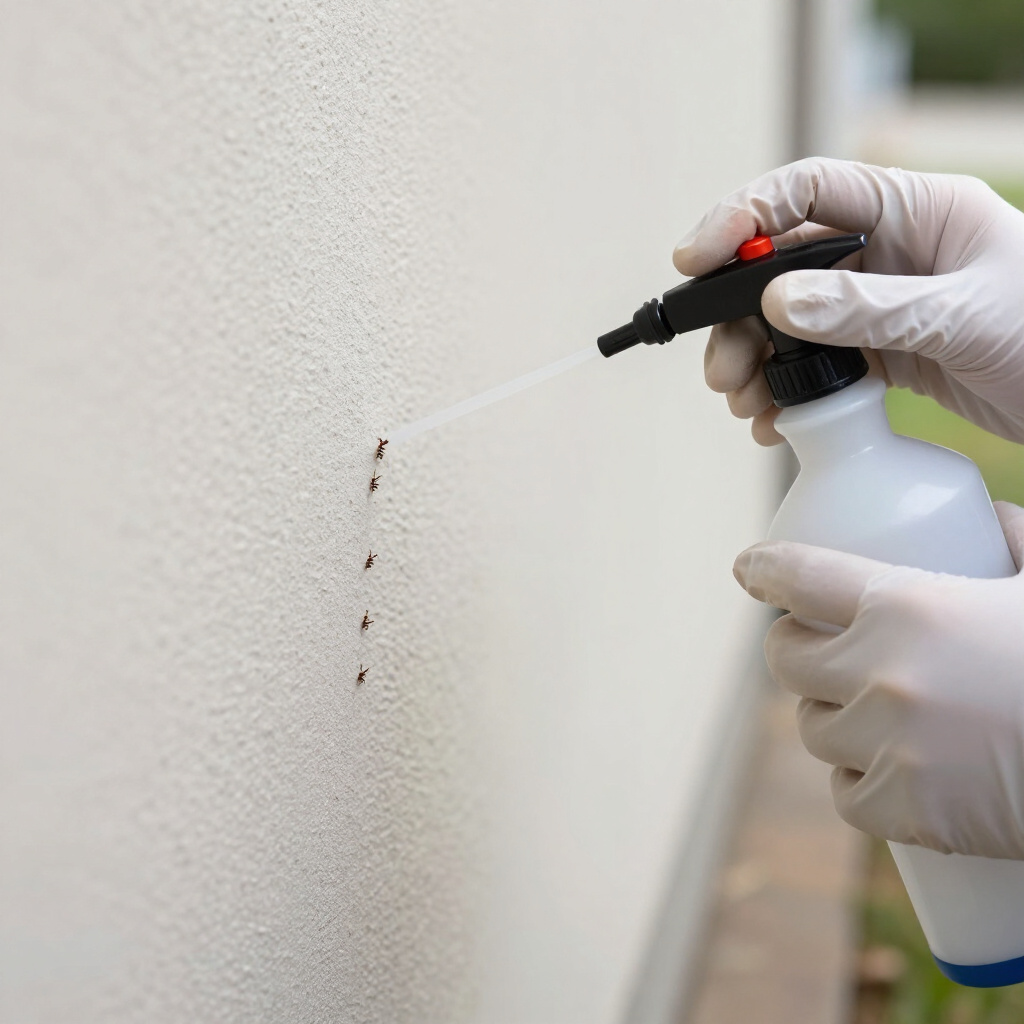
Ant colonies reach peak size in summer, with foraging trails becoming highly visible. Keep kitchen counters clean, store food in airtight containers, and wipe up spills immediately. If you spot trailing ants, resist the urge to spray them with over-the-counter insecticide—this often causes colonies to bud into multiple nests. Instead, use bait stations that foragers carry back to destroy the entire colony.
Wasps and hornets build nests in eaves, attics, and dense vegetation. Inspect these areas monthly and remove small nests early, before they grow large enough to pose a serious stinging hazard. For established nests or if you're allergic to stings, always hire a professional rather than attempting removal yourself.
Don't overlook your garbage management in summer. Use bins with tight-fitting lids, clean them regularly to eliminate odors, and keep them as far from your home as practical. Rinse recyclable containers before placing them in bins to avoid attracting yellow jackets and other scavenging insects.
Fall: Preparing Your Defenses Before the Chill
Fall represents your last opportunity to pest-proof before winter drives insects and rodents indoors. This is arguably the most critical season for preventive action.
Stink bugs, boxelder bugs, and Asian lady beetles seek overwintering sites as temperatures drop. These invaders don't reproduce indoors but emerge on warm winter days to become a persistent nuisance. Seal exterior cracks with quality silicone caulk, repair torn window screens, and install door sweeps on all exterior doors, including garage entries.
Rodent activity increases dramatically in fall as mice and rats prepare for winter. Inspect your foundation for burrow holes, check that garage doors seal properly, and eliminate clutter in basements and attics that provides nesting material. Consider installing steel wool in weep holes and other small gaps—rodents cannot gnaw through it.
Firewood should be stacked at least twenty feet from your home and elevated off the ground. Woodpiles attract termites, carpenter ants, and rodents, and storing wood against your home creates a direct bridge for pests to enter.
Inside, declutter storage areas and inspect holiday decorations before bringing them indoors—ornaments and wreaths stored in garages or sheds often harbor spiders and stink bugs.
Winter: Monitoring and Maintenance Indoors
While pest pressure decreases outdoors, winter shifts the battleground inside your home. Rodents, cockroaches, and overwintering insects become your primary concerns.
Continue monitoring for rodent signs: droppings in cabinets and pantries, gnaw marks on food packaging, and scratching sounds in walls or ceilings. Set traps in high-activity areas, placing them perpendicular to walls where rodents travel. If you catch one mouse, assume there are more—females reproduce year-round indoors and can produce litters every three weeks.
German cockroaches thrive in heated indoor environments during winter. These pests hitchhike in on grocery bags, cardboard boxes, and used appliances. Inspect secondhand items carefully, and never bring home discarded furniture without thorough examination. Maintain rigorous kitchen cleanliness, as cockroaches can survive on minimal food residue.
Check for overwintering insect emergence on sunny winter days. Cluster flies, stink bugs, and boxelder bugs hiding in wall voids may appear at windows as they attempt to exit. Vacuum them rather than crushing, as many release unpleasant odors when disturbed. Consider having a professional treat wall voids in fall to prevent this winter phenomenon.
Use winter's slower pace to schedule your annual professional inspection. Pest control technicians can identify vulnerabilities you might miss and develop a customized protection plan for the coming year.
Key Tips for Year-Round Success
Certain practices deserve attention regardless of season. Consistency separates homes that stay pest-free from those that battle recurring infestations.
Landscaping choices significantly impact pest pressure. Maintain a mulch-free zone of at least six inches around your foundation—mulch retains moisture and provides habitat for termites, millipedes, and sowbugs. Choose plants that don't attract aphids and scale insects, which in turn draw ants and wasps seeking honeydew.
Store pantry staples in glass or thick plastic containers with tight lids. This protects against Indian meal moths, flour beetles, and rodents while also keeping food fresher. Practice first-in, first-out rotation to avoid forgotten items becoming breeding grounds.
Address moisture issues promptly regardless of season. Run dehumidifiers in damp basements, use exhaust fans during showers and cooking, and repair plumbing leaks immediately. Most household pests require higher humidity than humans prefer—controlling moisture removes their habitat.
Know when to call professionals. DIY methods work for minor, isolated issues, but established infestations of bed bugs, termites, carpenter ants, or rodents require specialized expertise. The cost of professional intervention is typically far less than the damage these pests cause when left untreated.
Final Thoughts
A seasonal pest control checklist for homeowners transforms pest management from reactive panic into calm, systematic prevention. By aligning your efforts with natural pest cycles—sealing entry points in fall, managing moisture in spring, monitoring activity in summer, and maintaining vigilance in winter—you create an environment where pests struggle to establish themselves.
The most successful homeowners don't view pest control as a single action but as an ongoing practice woven into home maintenance routines. Start with this checklist, adapt it to your specific regional challenges and property characteristics, and enjoy the confidence that comes from genuine protection. Your home deserves nothing less than year-round defense against nature's most persistent invaders.