
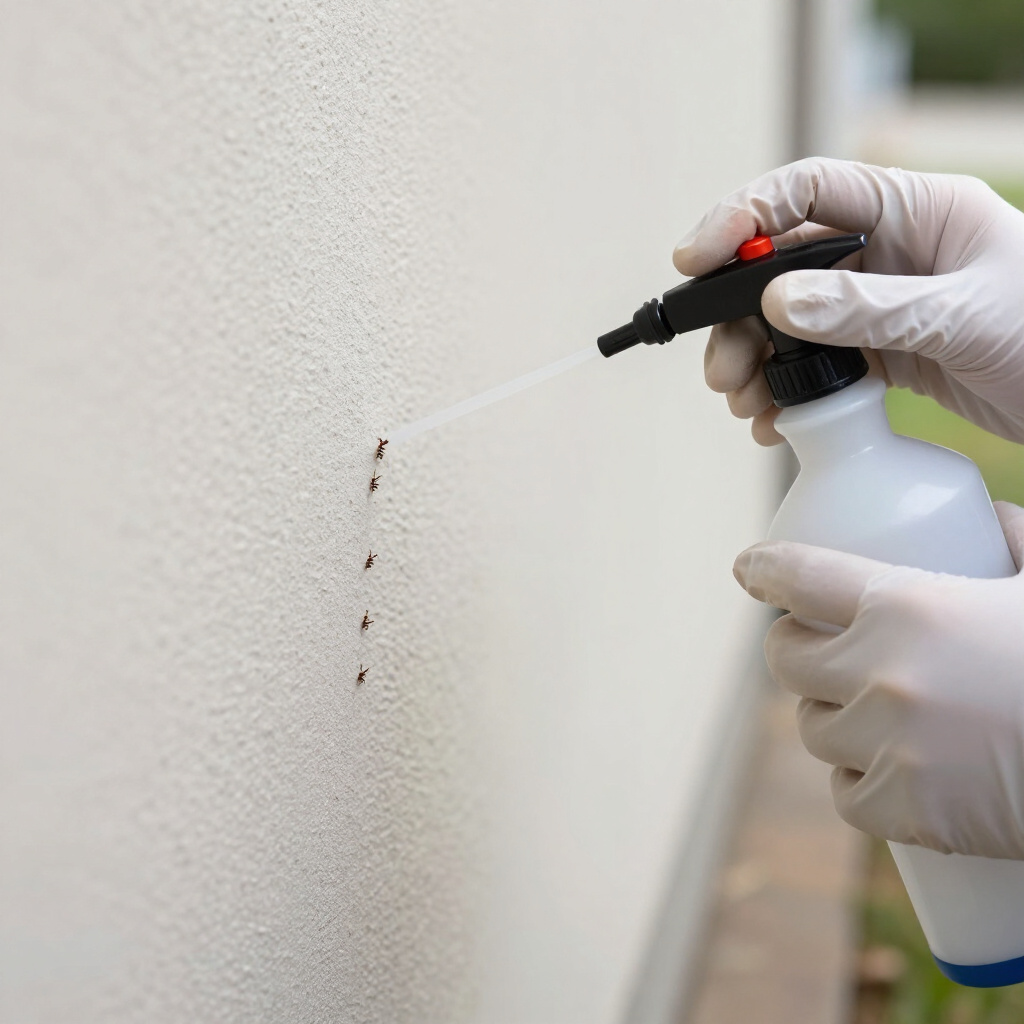

Termites work quietly behind the scenes, often causing thousands of dollars in damage before homeowners even realize there's a problem. Unlike ants or cockroaches that you might spot crawling across your kitchen counter, termites prefer to stay hidden in walls, crawl spaces, and wooden structures. Knowing the early warning signs can mean the difference between a simple localized treatment and extensive structural repairs. Here's what every homeowner should watch for when it comes to these destructive pests.
Early Signs You May Have Termites in Your Home
Catching a termite infestation in its earliest stages protects both your property value and your peace of mind. One of the most common indicators is the sudden appearance of mud tubes along your foundation walls, exterior surfaces, or in crawl spaces. Subterranean termites—the most widespread species in the United States—build these pencil-width tunnels from soil and wood particles to travel between their underground colony and their food source while staying protected from dry air and predators.
Another subtle but telling sign involves your windows and doors. If previously easy-to-open windows now stick or doors jam unexpectedly, termites may be warping the wooden frames from the inside out. The moisture termites generate as they consume wood causes subtle swelling that affects how these fixtures fit in their frames. Many homeowners mistakenly attribute this to humidity or normal settling, but paired with other signs, it warrants closer inspection.
Soft or damaged wood that sounds hollow when tapped deserves immediate attention. Try tapping on baseboards, window sills, and structural beams with the handle of a screwdriver. Healthy wood produces a solid, resonant sound; termite-damaged wood sounds papery or hollow because the interior has been eaten away, leaving only a thin veneer of paint or surface wood intact.
Visual and Audible Clues to Watch For
Discarded wings near windowsills, doorways, or light fixtures signal that reproductive termites—called swarmers—have emerged from an established colony nearby. These winged adults typically appear in spring, often after a warm rain, and shed their wings shortly after landing. Finding piles of tiny, uniform wings (all roughly the same size) differs from finding mismatched insect wings and strongly indicates termite activity rather than ant swarms.
Frass, or termite droppings, presents another clear warning sign. Drywood termites push their fecal pellets out of small kick-out holes near the entrances to their tunnels. These pellets resemble coarse sawdust or coffee grounds and often accumulate in small piles beneath infested wood. Unlike sawdust from construction work, frass pellets are six-sided, hard, and uniform in shape—features visible upon close inspection.
Some homeowners report hearing faint clicking or rustling sounds within walls, particularly at night when the house is quiet. Soldier termites bang their heads against tunnel walls to signal danger to the colony, while workers make audible chewing noises as they consume wood. Though subtle, these sounds combined with other signs confirm active infestation.
Signs You May Have Termites in Less Obvious Places
Termites don't limit themselves to easily visible areas. Your crawl space, attic, and basement deserve regular scrutiny even if you rarely enter these spaces. Buckling or blistering paint on walls can indicate moisture buildup from termite activity behind the surface. Similarly, unexplained cracks in interior walls or ceilings may develop as termites compromise the wooden supports beneath.
Outdoor indicators matter too. Dead trees, decaying stumps, or stacked firewood touching your home's exterior can harbor termite colonies that eventually migrate indoors. Check wooden fence posts, deck supports, and mulch beds near your foundation for the same mud tubes or damaged wood you'd look for inside. Even cardboard boxes stored in damp garages or basements attract foraging termites seeking cellulose.
Your landscaping itself might provide clues. If wooden landscape timbers crumble easily or show unusual weathering patterns, termites may be at work. Sagging floors, particularly in older homes with wooden subflooring, sometimes indicate advanced termite damage that has weakened structural supports over time.
What to Do When You Suspect Termites
Resist the urge to disturb any mud tubes, damaged wood, or frass you discover. While it seems logical to break open tunnels to confirm activity, doing so can scatter termites and make professional treatment more difficult. Instead, photograph the area and note its location for your pest control professional.
Avoid applying over-the-counter sprays or attempting DIY treatments without proper identification. Many store-bought insecticides repel termites temporarily, driving them deeper into walls and spreading the infestation to previously unaffected areas. Professional pest control technicians possess specialized training, inspection tools like moisture meters and thermal imaging cameras, and access to treatment methods that eliminate entire colonies rather than just surface populations.
Schedule annual professional inspections even if you've never noticed signs of termites. These preventive visits catch problems before visible damage occurs and typically cost far less than repairing structural damage. Many companies offer free initial inspections, making professional assessment accessible for concerned homeowners.
Final Thoughts
Termites cause more property damage annually than fires, floods, and storms combined—yet standard homeowners insurance rarely covers these repairs. Staying vigilant for mud tubes, discarded wings, hollow-sounding wood, frass, and structural changes protects your investment and prevents the stress of extensive restoration work. The signs you may have termites often appear gradually enough to overlook, but a trained eye and proactive mindset keep these hidden destroyers from winning. At the first indication of trouble, contact a licensed pest control professional who can confirm the infestation, identify the termite species, and recommend a targeted treatment plan that eliminates the colony and protects your home for years to come.