
You've spotted something skittering across the kitchen floor at midnight. Or maybe you've noticed mysterious holes in your garden, chew marks in the pantry, or that telltale scratching sound inside the walls. The big question hits: can you handle this yourself, or is it time to bring in backup? Knowing when to call a pest control professional can save you money, protect your health, and prevent a small nuisance from becoming a full-blown infestation.
Signs It's Time to Call a Pest Control Professional
Some pest situations are clear DIY territory—a single ant on the counter, a stray fly through an open window. But certain warning signals demand expert intervention. Visible pests during daylight hours often indicate a larger hidden population, as many species are nocturnal by nature. If you're seeing rodents, cockroaches, or other pests in broad daylight, their nest has likely grown crowded enough to push members out.
Droppings, shed skins, or egg casings in multiple locations suggest established breeding activity. Similarly, finding damage to structural wood, gnawed electrical wiring, or compromised food packaging points to persistent, ongoing pest presence. Unexplained musty odors, especially in basements, attics, or crawl spaces, can indicate hidden nests or even decomposing pests in wall voids.
Perhaps most critically, any sign of stinging insects building nests near entry points, play areas, or high-traffic zones warrants immediate professional attention. Disturbing these nests yourself risks serious injury, particularly for individuals with allergies.
DIY Limits and Hidden Risks
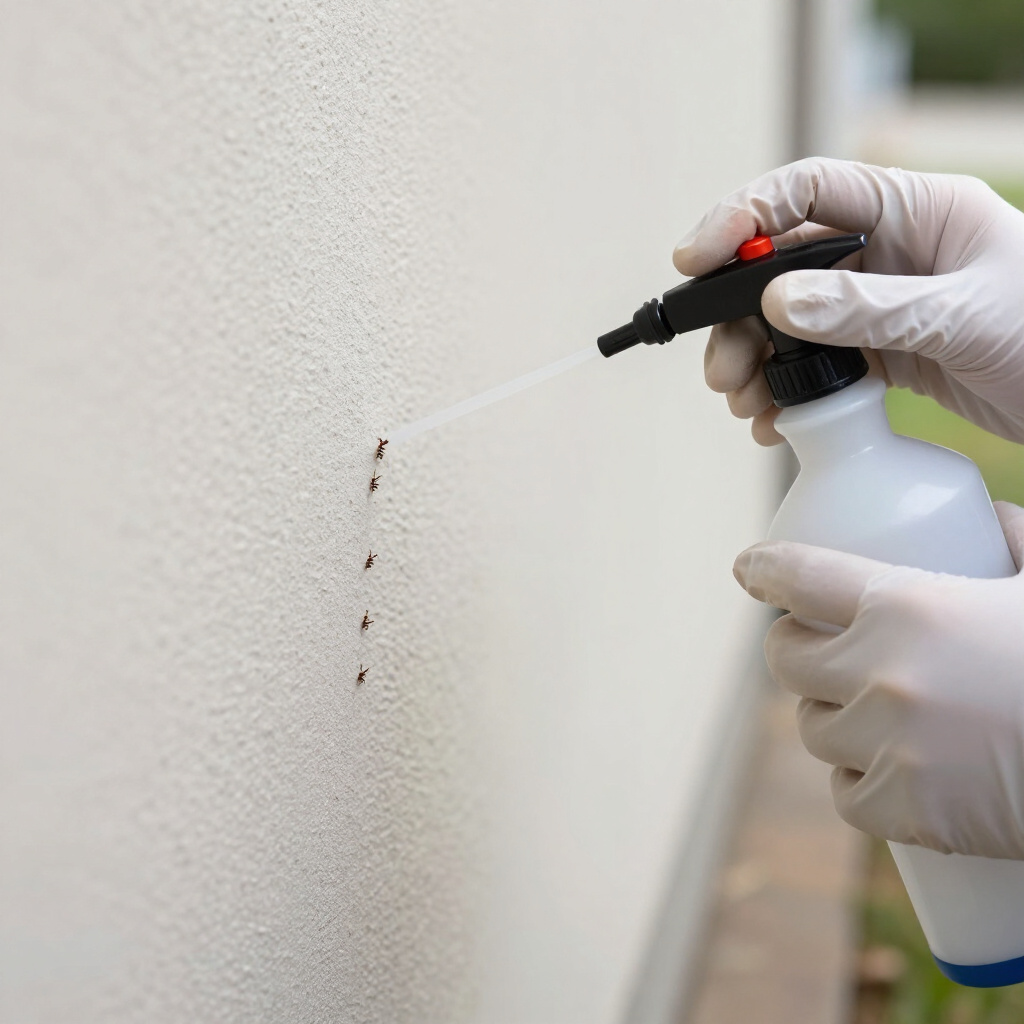
Store-bought sprays and traps have their place, but they rarely address root causes. Over-the-counter solutions typically target visible pests while missing nests, entry points, and breeding sites. Worse, improper pesticide application can expose your family and pets to harmful chemicals, contaminate food preparation areas, or drive pests deeper into hiding—making eventual professional treatment more complex and costly.
Some pests require species-specific approaches that average homeowners simply don't have access to. Termites, for instance, demand specialized detection tools and treatment methods. Bed bugs have developed resistance to many common retail insecticides. Misidentification leads to mistreatment, wasted money, and prolonged infestations that grow exponentially.
There's also the time factor. Effective pest management requires consistent monitoring, multiple treatment applications, and thorough follow-up—commitments that busy households struggle to maintain. When DIY efforts stretch across weeks without resolution, the cumulative cost often exceeds professional service fees.
Health and Safety Considerations
Pests pose genuine health risks that many homeowners underestimate. Rodents carry hantavirus, salmonella, and leptospirosis, spreading these through droppings, urine, and saliva. Cockroaches trigger asthma attacks and allergic reactions, particularly in children. Mosquitoes and ticks transmit dangerous diseases. Even "nuisance" pests like silverfish can contaminate food stores.
Attempting to handle wildlife intrusions—raccoons in the attic, squirrels in the chimney, bats in the eaves—creates additional hazards. These animals can be aggressive when cornered, and many carry rabies. Their removal often falls under specific legal protections requiring licensed handlers.
If anyone in your household has respiratory conditions, compromised immunity, or chemical sensitivities, professional pest control becomes even more advisable. Reputable providers use targeted, low-toxicity methods and can advise on preparation and safety protocols tailored to your family's needs.
Key Tips for Working With Pest Control Professionals
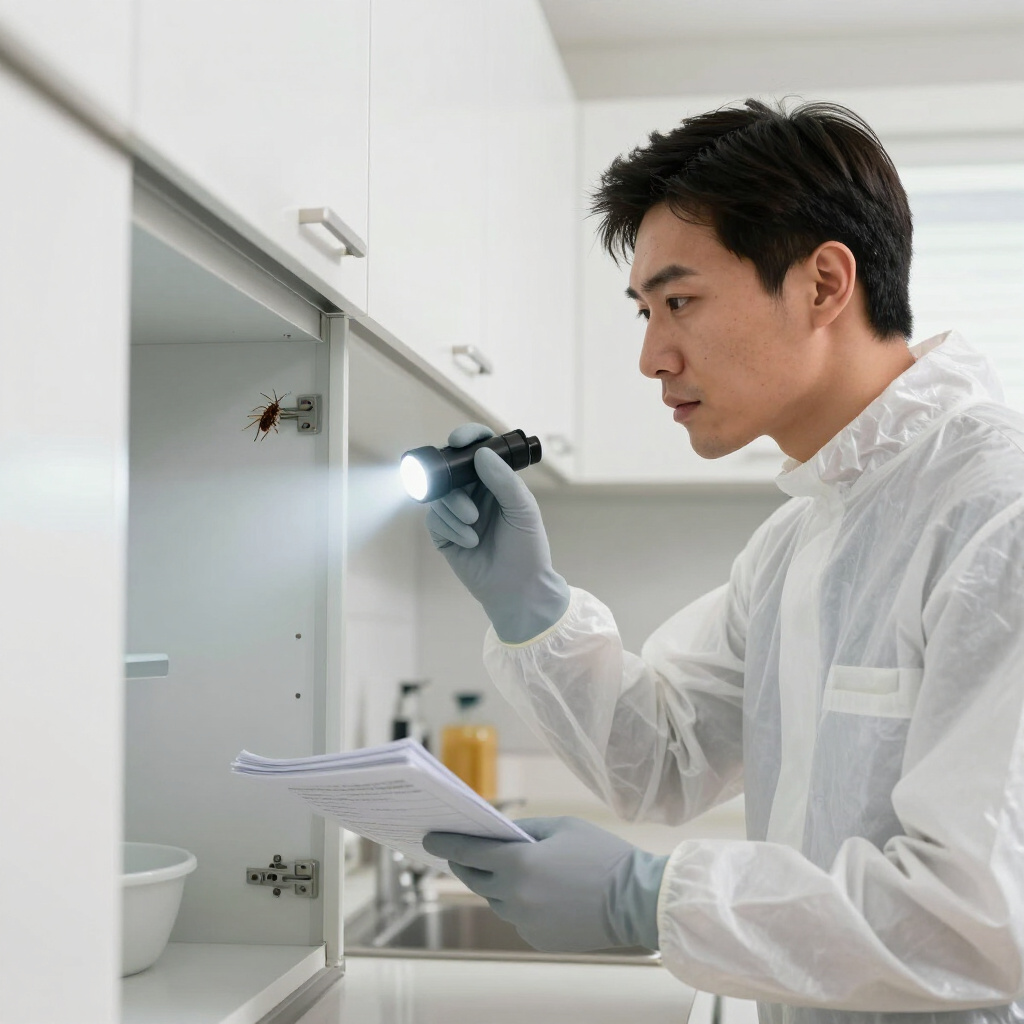
When you decide to call a pest control professional, a few steps ensure the best outcome. Document what you've observed: pest types, locations, timing, and any damage. This information helps technicians assess severity and identify species correctly.
Before scheduling, verify licensing and insurance requirements for your state. Ask about their treatment philosophy—integrated pest management approaches prioritize prevention and minimal chemical use. Request a clear explanation of what the service includes, how many visits are anticipated, and what preparation you'll need to complete.
Be wary of high-pressure sales tactics or quotes given without inspection. Quality providers conduct thorough assessments before recommending treatment plans. Get everything in writing, including guarantees and follow-up protocols.
After treatment, maintain the partnership. Follow exclusion recommendations, address moisture issues, and keep up with scheduled maintenance visits. The most successful pest control relationships are ongoing collaborations, not one-time events.
Final Thoughts
Deciding when to call a pest control professional ultimately comes down to protecting what matters most—your home, your health, and your peace of mind. Minor, isolated incidents often resolve with diligent housekeeping and simple preventive measures. But when pests persist, multiply, or threaten safety, professional expertise delivers faster, more complete solutions while preventing costly long-term damage.
Trust your instincts. If something feels beyond your comfort level or capabilities, it probably is. The investment in professional pest control pays dividends in protected property value, reduced health risks, and the simple relief of knowing your home truly belongs to you alone.