
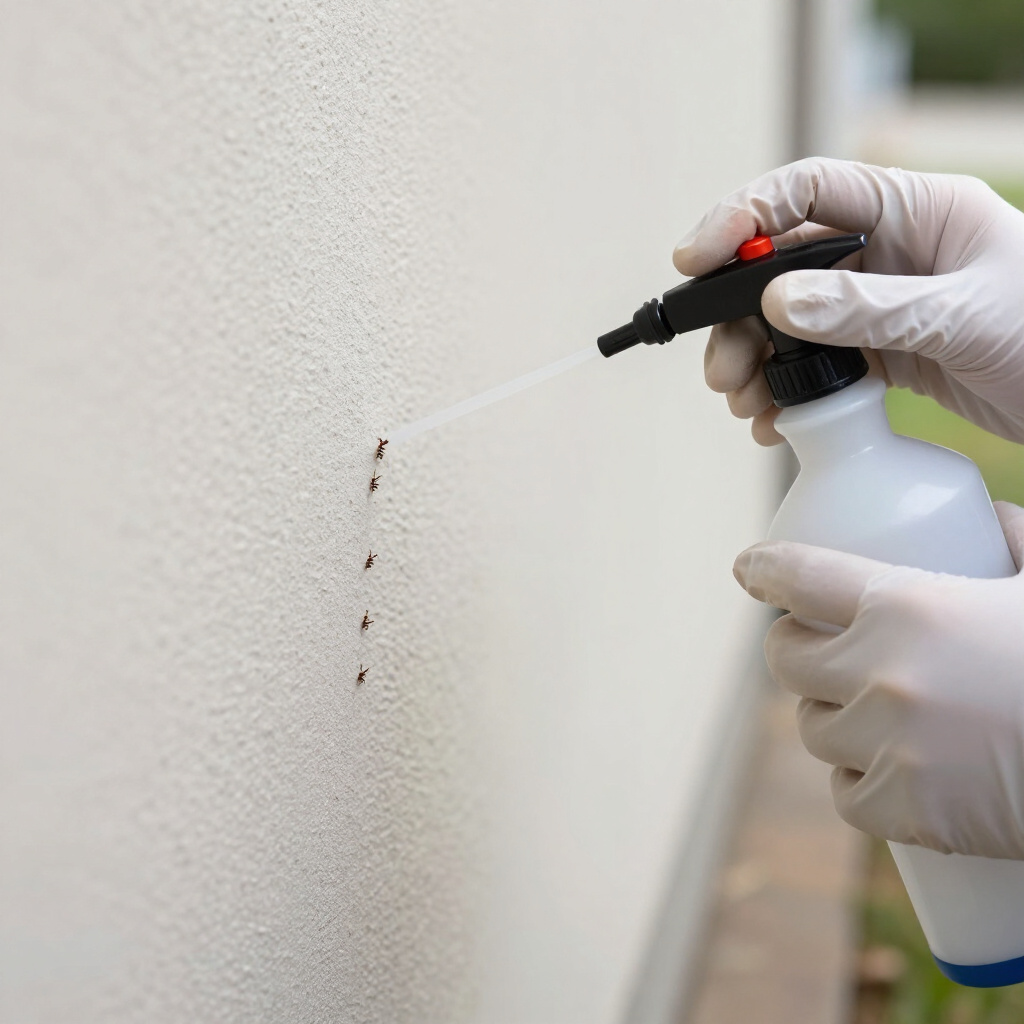

Pest Control Services in Shawnee, OK
Shawnee residents deal with a unique mix of pest pressures shaped by Oklahoma's variable climate and the area's blend of suburban neighborhoods, historic districts, and rural outskirts near the North Canadian River. From the tree-lined streets near Oklahoma Baptist University to newer developments along Interstate 40, effective pest management requires localized knowledge of Pottawatomie County's seasonal patterns.
Spring and early summer bring heightened termite swarming activity, particularly in older homes with established wooden structures. Subterranean termites thrive in the moist, clay-heavy soils common throughout the region, making proactive inspections essential for property protection. Meanwhile, the hot, humid summers create ideal conditions for mosquitoes, especially near standing water sources along the river corridor and in low-lying neighborhoods.
As temperatures drop in fall and winter, rodents begin seeking shelter indoors. Mice and rats frequently enter Shawnee homes through gaps in foundations, utility penetrations, and deteriorating weather stripping. Integrated pest management approaches that combine exclusion techniques with targeted treatments deliver the most durable results for Pottawatomie County homeowners.
Commercial properties throughout Shawnee—from restaurants along Harrison Street to warehouses near the industrial parks—face additional regulatory and reputational pressures. Consistent pest control programs help businesses maintain health department compliance and protect customer trust in competitive markets.
Common Pests in Shawnee and Pottawatomie County
The pests most frequently requiring professional intervention in Shawnee reflect broader central Oklahoma patterns with important local variations:
- Termites: Eastern subterranean termites cause significant structural damage annually. Annual inspections and soil treatments protect homes near wooded areas and established neighborhoods.
- Ants: Odorous house ants, fire ants, and carpenter ants all establish colonies locally. Fire ant mounds proliferate in open, sunny areas common to residential lawns and parks.
- Spiders: Brown recluse and black widow spiders inhabit dark, undisturbed spaces. Garages, sheds, and crawl spaces require regular monitoring and habitat modification.
- Roaches: German cockroaches dominate indoor infestations, while American and Oriental cockroaches enter from outdoor harborage during extreme weather.
- Bed Bugs: Increased travel along I-40 and through local hospitality venues contributes to periodic introductions requiring heat or chemical remediation.
- Wildlife: Raccoons, squirrels, and occasional skunks create conflicts in neighborhoods bordering greenbelts and the river corridor.
Frequently Asked Questions About Pest Control in Shawnee
How often should Shawnee homes receive professional pest control treatments?
Most Pottawatomie County properties benefit from quarterly service visits, with bi-monthly treatments during peak pest seasons (March through October). Homes near the North Canadian River, heavily wooded lots, or with previous infestation history may require more frequent monitoring. The specific schedule depends on pest pressure, property conditions, and whether preventive or active control is needed.
Are termite issues particularly severe in Shawnee compared to other Oklahoma cities?
Shawnee's combination of mature neighborhoods with aging wooden structures, clay soils that retain moisture, and substantial tree canopy creates favorable conditions for subterranean termites. The Oklahoma State University extension service identifies Pottawatomie County as within the high-risk zone for termite damage. Homes built before 1990 that lack modern pretreatment barriers face elevated vulnerability, making annual WDO (wood-destroying organism) inspections a prudent investment.
What should Shawnee homeowners do between professional pest control visits?
Effective pest management requires partnership between technicians and residents. Remove standing water weekly, maintain vegetation clearance of 12-18 inches from foundations, store firewood off-ground and distant from structures, seal exterior cracks with appropriate materials, and address moisture issues in crawl spaces or basements promptly. Proper sanitation—particularly kitchen practices that eliminate food debris—dramatically reduces attraction factors for roaches and ants.
How do pest control methods differ for rural versus suburban Shawnee properties?
Rural properties on larger acreage near Pottawatomie County's outskirts typically experience greater wildlife pressure, broader mosquito breeding habitat, and more extensive perimeter defense requirements. Suburban homes in Shawnee proper contend with closer neighbor-to-neighbor pest migration, stricter HOA guidelines on visible treatments, and concentrated rodent pathways along connected fence lines and utility corridors. Treatment plans account for these contextual differences in product selection, application techniques, and monitoring strategies.